
Georgia Consumers Face Rising Costs, as Lawmakers Take No New Action on Data Center Growth

Share
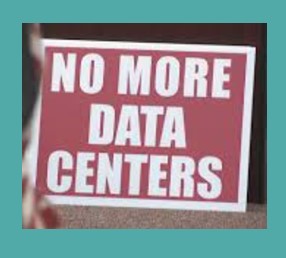
Atlanta, GA – Georgia lawmakers ended their legislative session without passing new rules to address the rapid expansion of data centers—large facilities that house computer systems powering artificial intelligence and cloud services. The decision comes as many residents say they are increasingly worried about how this growth could affect electricity bills and local infrastructure.
Across the state, some communities near proposed or existing data center sites have voiced frustration, saying they are concerned about rising energy demand and whether residential customers could ultimately see higher utility costs. Others point to the scale of tax incentives and economic development deals tied to these projects, questioning how benefits and costs are being distributed. Many also point to negative environmental and health outcomes from data centers.

Shelia Edwards, a candidate for the Georgia Public Service Commission – District 5, participated in a recent data center town hall meeting hosted by Savannah Indivisable, with elected officials and experts. Edwards told residents that she supports a “growth pays for growth” model for data centers, where large energy users cover the full cost of the infrastructure required to serve them so residential and small business customers are not left with higher utility bills. Edwards also emphasized that utilities should meet growing demand with a balanced energy mix that includes renewables, storage, and existing generation. She added that data centers should be required to improve efficiency and manage energy demand, stressing that the goal is to support economic growth without shifting financial risk onto ratepayers. Edwards is running to be the third Democratic member on the PSC.
Georgia has become a leading hub for data center development due to available land, tax incentives, and utility interest in serving large new energy customers. Utilities have said that these large users are expected to pay significant revenue, which could help offset system costs. However, consumer advocates and some residents continue to raise concerns about whether infrastructure investments needed to serve these facilities could indirectly impact household electricity rates.
During the session, lawmakers debated—but did not pass—proposals aimed at limiting the financial impact on residential ratepayers or changing tax incentives tied to data center development. Existing utility commission rules remain in place, but no new statewide legislation was adopted this year.
As the issue continues to develop, residents in affected communities across Georgia say they are paying closer attention to how decisions about energy growth, infrastructure investment, and tax policy could show up in their monthly utility bills.


